Internships
The Safari West Zoological Society Internship Program offers hands-on learning opportunities in animal care, behavior, and applied research within a working zoological preserve. Internships are designed for students and early-career professionals interested in conservation, research, and animal welfare.
Current internship opportunities may include:
- Animal Behavior Research Internships
- Animal Husbandry Internships
- Ongoing Research Project Internships
These internships provide practical experience in animal behavior, husbandry, and research while supporting Safari West’s mission of conservation and environmental education.
Internship Application Requirements:
Applicants must be 18 years of age. All internships are unpaid. At this time, we’re unable to offer housing accommodations. Housing and transportation are the responsibilities of the intern. The intern must have reliable transportation to get to Safari West consistently before committing.
There are two internship periods available for the Animal Husbandry and Animal Behavior internships: summer and winter. Events, Marketing, and Culinary internships are only offered during the summer. Completed internships are based on the fulfillment of designated hourly and monthly requirements. The official start and end dates are flexible and will be determined by each applicant’s schedule.
- Summer internship dates: June – September; Application deadline – April 1st
- Winter internship dates: November – February; Application deadline – September 1st
Please send a completed application, resume, and short cover letter highlighting relevant experience to Erika Defer at edefer@safariwest.com. Not all applicants will be offered an internship position due to the high volume of qualified candidates who apply. We strongly encourage applicants who did not receive an internship position to re-apply. All applicants will be notified of our decision by email or phone.
Safari West Animal Internships
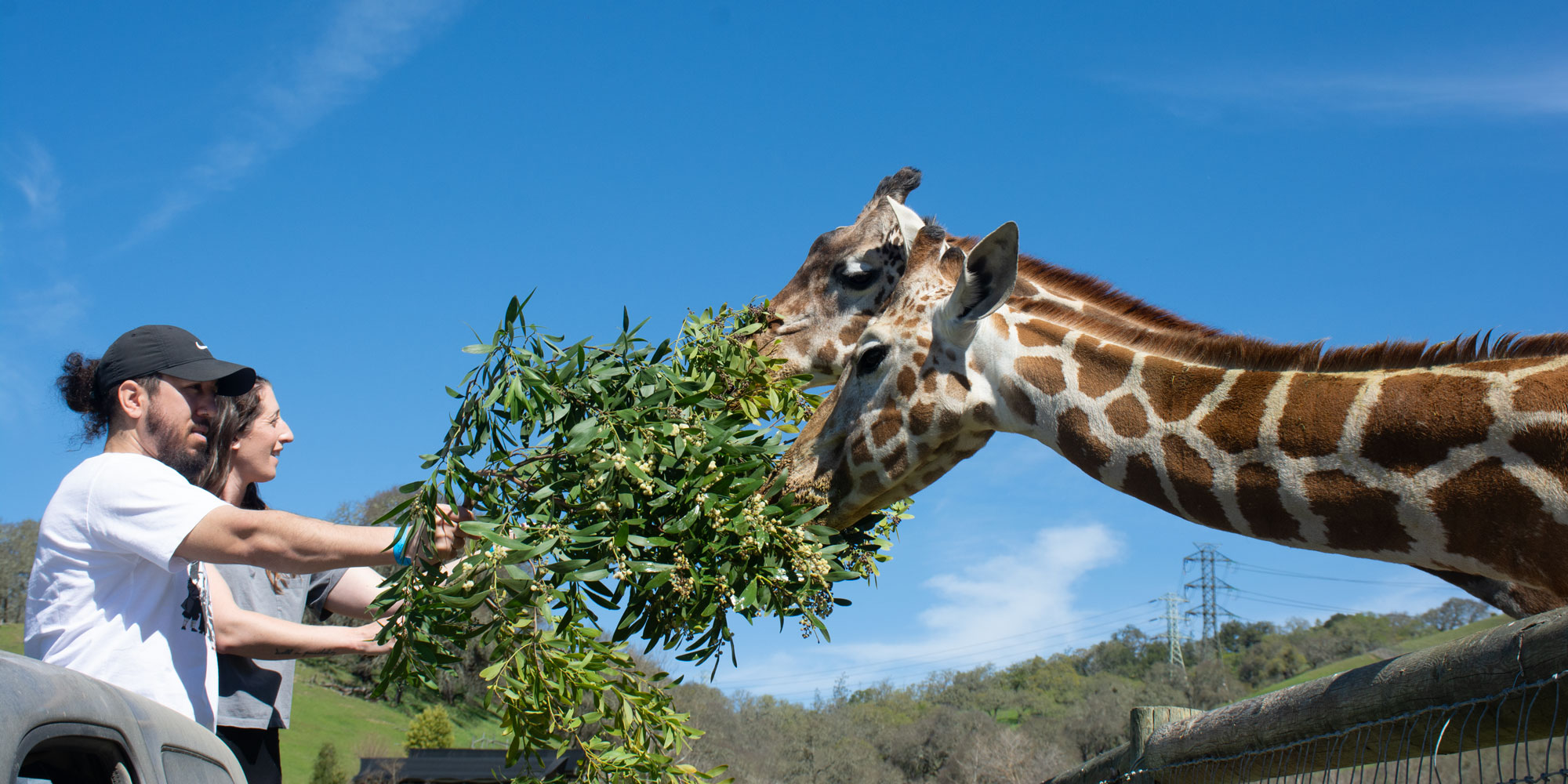
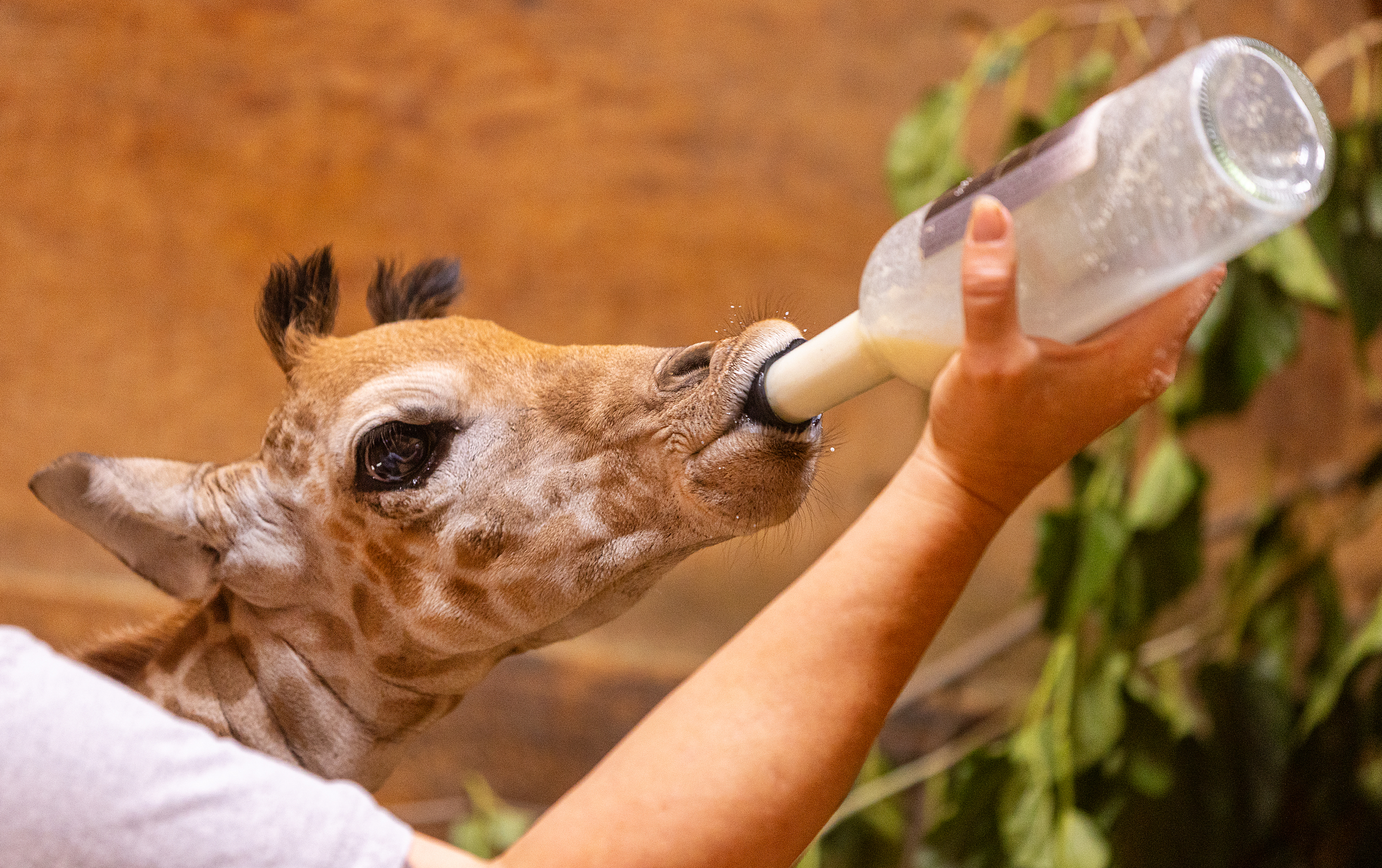
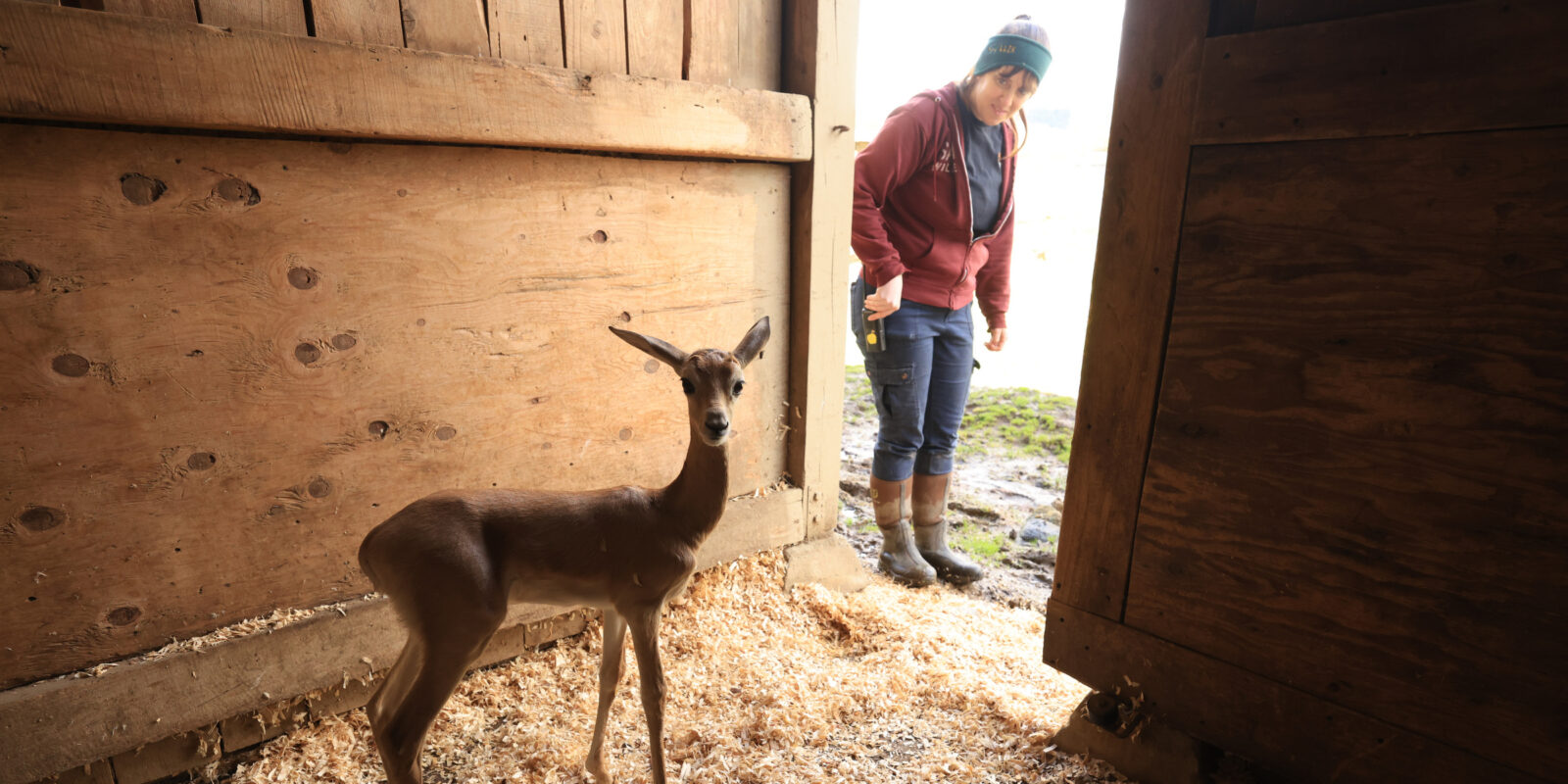
The animal husbandry internship has several strings to choose from with a variety of taxa. Interns will be given the ability to work with African hoofstock, birds, small mammals, carnivores or a mixture of these animals. This program offers the opportunity for students to acquire the knowledge and skills to care for exotic animals and provide progressive animal welfare in accordance with AZA regulations. Students will learn the different needs of various animals, understand the process and importance of behavioral training and appreciate the effort that goes into husbandry on a 400-acre facility. Students will develop the fundamental skills needed to look after captive exotics while challenging them to explore, develop and apply ways to enrich the animals’ lives. Academic credit may be available upon request.
Essential Duties and Responsibilities
- Preparation, distribution, and understanding of diets based on species and individual animals
- Cleaning of enclosures, night houses, bomas (outdoor shelters), pens, barns, and general work areas (vet office, storage rooms, etc.)
- Safe movement around animals and strong attentiveness at all times
- Understanding of proper welfare and record keeping
- Construction and implementation of enrichment
- General exhibit maintenance
Internship Requirements
- Availability: Completion of 3 months with a consistent schedule of a minimum of 2 days per week (full 8 hour days)
- Fitness requirement: Intern must be able to lift, carry, and maneuver a minimum of 50 pounds, as well as to be able to safely and efficiently navigate rough terrain
- Collaborative requirement: Intern must be able to work as part of a team, take direction well and be able to interact with employees and guests in a professional manner
- Self-motivated: Interns will be guided through the program but must be internally driven; they will be expected, after some time, to understand their daily responsibilities and be able to start their work without relying directly on orders
- Completion of Final Project
Final Project
During the internship, students will be expected to develop a specified project that the animal manager and internship coordinator have approved. This project can focus on any aspect that applies to animal husbandry. Students will be expected to write a paper describing their project results.
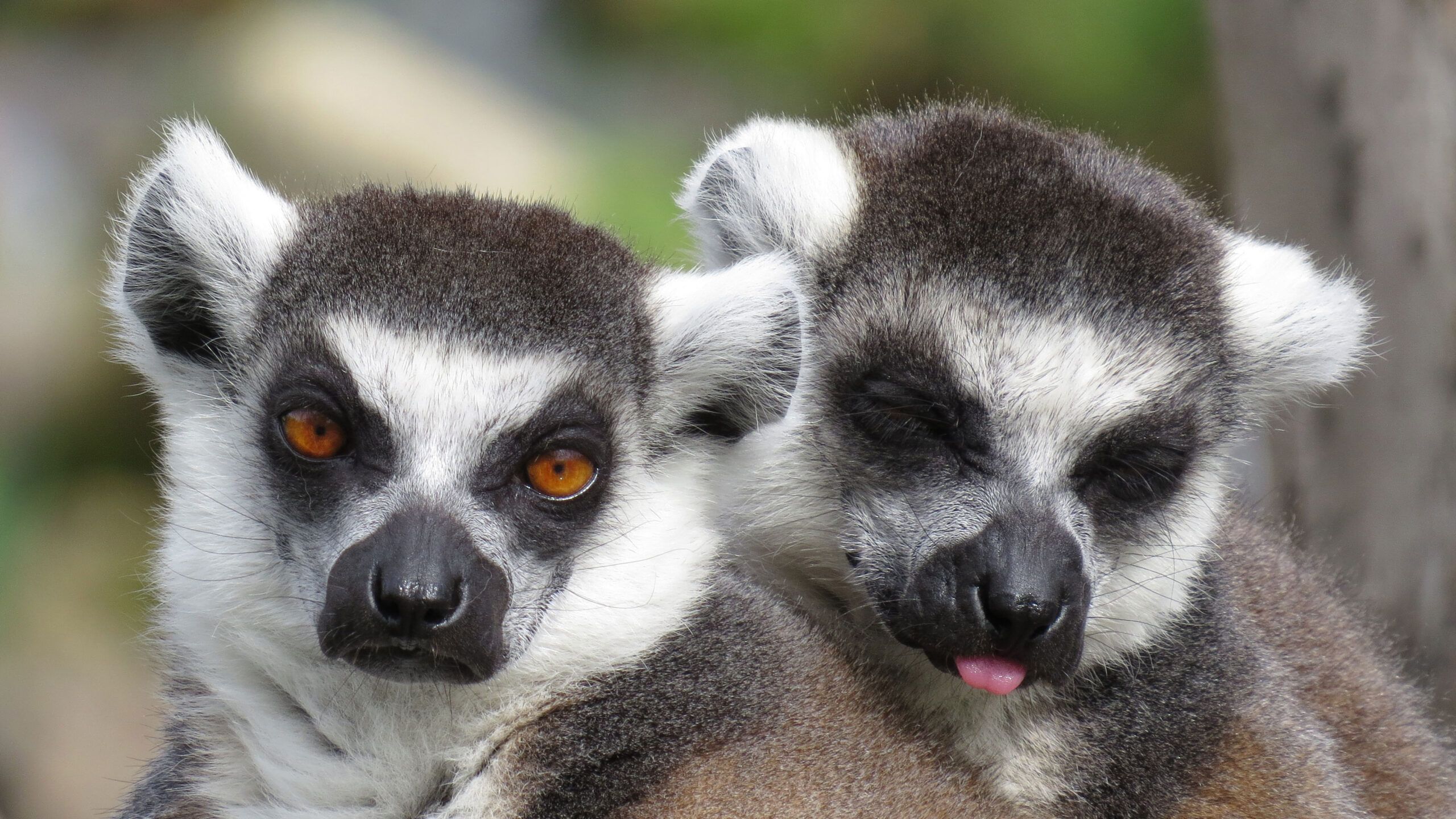
The observational animal behavior internship can focus on a variety of species we house at Safari West, as approved by the animal department manager. The goal of this internship is to integrate students into the current and newly proposed research projects taking place at Safari West. Our objective is to have students understand how to independently conduct a research project through searches for relevant peer-reviewed literature, data collection, data entry, and simple data analysis. Internships can be done in collaboration with a university and we can offer academic credits as approved by an academic advisor. Students are expected to come up with a research question that allows for behavioral observations. Observations can include time budgets, preference tests, and other behavioral measures. Students may enter the internship in teams or groups if applicable to the research question.
Internship Requirements
- Availability: Completion of 100 hours, including a consistent schedule of a minimum of 6 hours per week of observations (preferably 2 hours per day, 3 days per week), with the remainder spent on researching, writing, and analysis
- Fabrication requirement: Formation of research question, ethogram and data observation sheets and final paper
- Data requirement: data collection, entry and entry-level data analysis
- Must have personal computer to use with Microsoft Excel and Word for data analysis and writing final research paper
- Collaborative requirement: Intern must be able to work as part of a team and take direction well and be able to interact with employees and guests in a professional manner
- Self-motivated: Interns will be guided through the program but must be internally driven; they will be expected, after some time, to understand their daily responsibilities and be able to start their work without relying directly on orders
- Completion of behavioral research paper
Final Paper
- Interns will write a formal project proposal that needs to be approved by the Internship Coordinator
- Students will be expected to write a research paper containing an abstract, introduction, methods, results and discussion